Manhattan terraces,
built around the building.
MintScapes designs and builds rooftop terraces, penthouse decks, and townhouse gardens across Manhattan. Co-op boards, alteration agreements, freight-elevator windows, board architects — we coordinate all of it so the design phase actually moves.
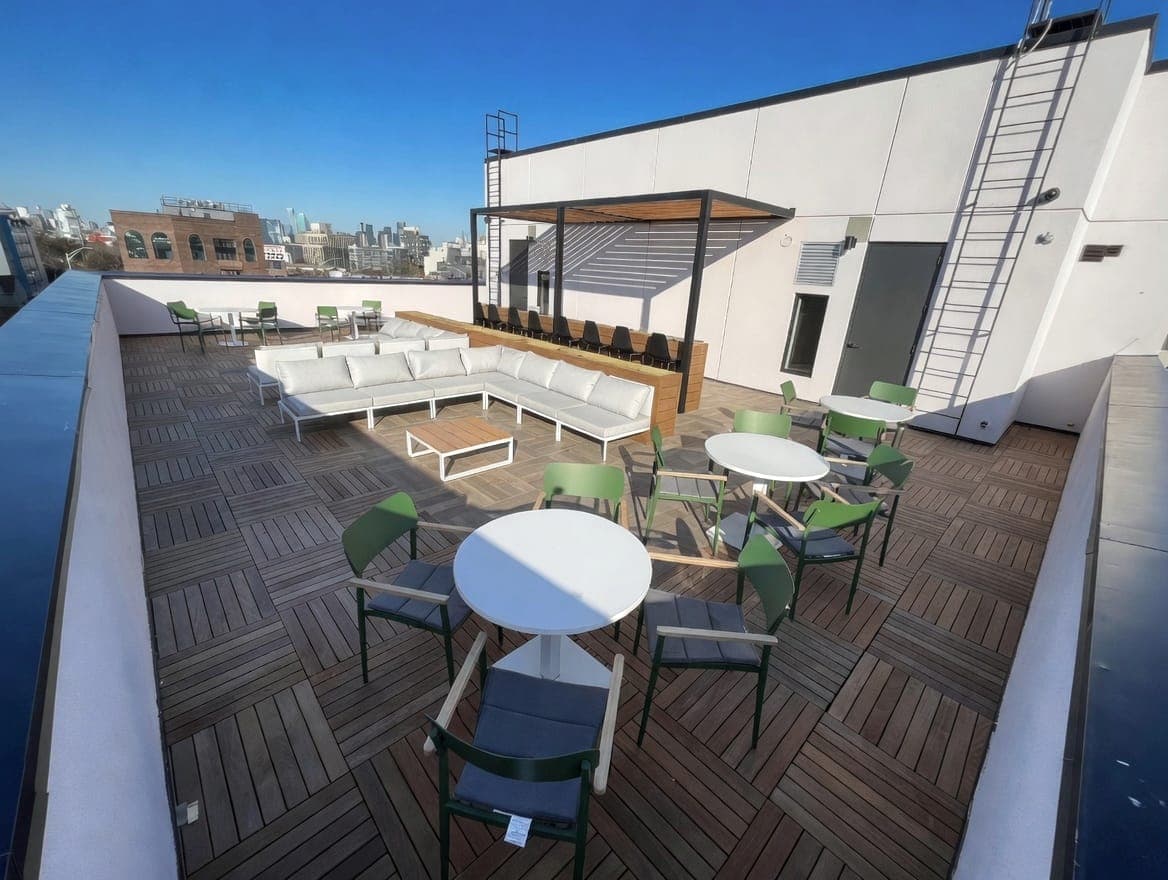
Manhattan outdoor space comes in two main shapes: the penthouse or co-op terrace twenty stories up, and the townhouse rear garden inside a row of brownstones. They’re different problems. The terrace has weight, wind, and board approval. The townhouse has light, neighbors, and Landmarks.
Our Manhattan work is roughly split between the two. We’ve learned that the board and alteration-agreement process is what trips up most projects — not the build itself. We start every Manhattan project by mapping the approval path: management company, board, building architect of record, gas filing if needed. The construction is easier when the paperwork is already running.
What changes block to block.
Building age, board culture, and structure type drive the project as much as the design does.
Upper West Side
Co-op penthouse terraces, classic-six rear yards. Board approval is the first hurdle, not the last.
Upper East Side
Stately co-ops with substantial terraces. Architectural review boards are real and have opinions.
West Village
Townhouse rear gardens, often deep lots. Landmark district. Beautiful constraints.
Chelsea
Loft terraces and condo roof decks. Higher floors, more wind, more glass to live next to.
Tribeca
Loft roof decks. Wind exposure and freight elevator restrictions drive the schedule.
Greenwich Village
Landmark district townhouses. Rear-yard work is straightforward; visible changes need LPC.
Midtown East / Sutton Place
High-rise terraces with views, weight limits, and meaningful wind.
Battery Park / FiDi
Newer construction, larger terraces. Salt air and harbor wind are design drivers.
Terraces, gardens, and kitchens — co-op friendly.
Rooftop decks
Penthouse terraces, co-op roof decks, condo building common-area work. We coordinate the approval path before drawing the first elevation.
See the serviceTownhouse gardens
West Village, Greenwich Village, UES, and UWS rear gardens. Privacy walls, hardscape, planting beds, Landmarks coordination when needed.
See the serviceOutdoor kitchens
Terrace and rooftop kitchens. We coordinate gas filing with your building’s engineer or one we refer.
See the serviceWhat clients in Manhattan ask.
- Do you work with co-op and condo boards?
- Yes — and we expect to. Most Manhattan terrace work requires an alteration agreement, board approval, an architect or engineer of record, and sometimes a separate plumbing or gas filing. We coordinate with your building's management and the board's preferred architect or engineer. Expect six to ten weeks of board process on top of the design phase.
- Where in Manhattan do you work?
- Across the island. Most of our work is on the Upper West Side, Upper East Side, West Village, Greenwich Village, Chelsea, Tribeca, and the Midtown high-rises. We'll travel for the right project.
- What about Landmarks Preservation Commission?
- For rear-yard work in landmark districts (West Village, Greenwich Village, parts of UES and UWS), LPC is involved only when the rear elevation of the building is touched. Most yard work isn't affected. We'll tell you at the walk-through whether your project triggers a filing.
- How long does a Manhattan rooftop or terrace project take?
- Six to fourteen months from first call to handed-over space. The board and alteration-agreement process adds one to three months on top of design. Build itself is usually four to ten weeks, scheduled around the building's freight elevator and access rules.
- What's the typical budget for a Manhattan terrace?
- Most Manhattan terraces run $80K–$400K, depending on size, scope, and access. A 600 sf terrace with IPE decking, planters, lighting, and a basic pergola lands in the $100K–$180K range. Add a louvered roof, outdoor kitchen, or substantial planting and the number climbs. Appraisers value usable outdoor square footage at 25–50% of interior price-per-square-foot, which often makes the math work.